From our Asia curation
Uzbekistan.
Old Friends Beneath Blue Domes
From Our Uzbekistan curation
Uzbekistan: Old Friends Beneath Blue Domes.
Custom-crafted itineraries.
Designed around you, never around a template.
8N/9D
Uzbekistan
About this journey
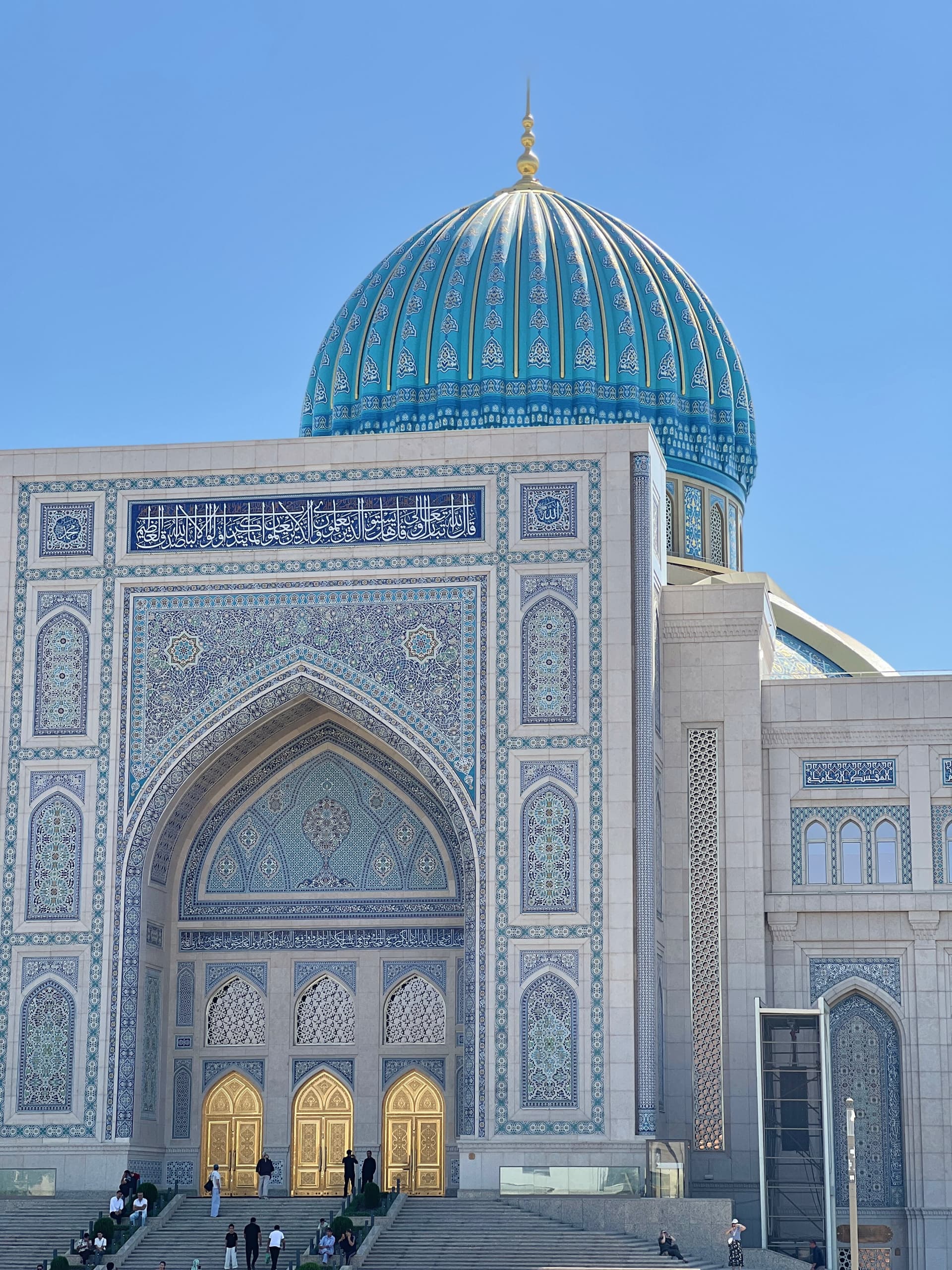
Samarkand has perfected the art of blue. Its magnificent gateways and domes are adorned with thousands of glazed tiles, arranged in intricate patterns of flowers, stars and calligraphy. Beyond these architectural wonders, Uzbekistan offers pleasures that feel surprisingly familiar to an Indian traveller: steaming cups of chai, freshly baked samsa and the warmth of a generous table. Such familiarity has deep historical roots. For centuries, trade and cultural exchanges connected Central Asia with India, while Babur, born in present-day Uzbekistan, went on to establish the Mughal Empire, carrying Timurid traditions that would influence India's own architectural heritage.
In Tashkent, grand avenues, graceful mosques and lively bazaars introduce the country's many contrasts. Beyond the capital, the Tian Shan mountains surround the alpine scenery of Amirsoy and the turquoise waters of Charvak. Samarkand dazzles with the magnificent Registan, Timur's mausoleum and the exquisite mosaics of Shah-i-Zinda. Across the Tajik border, the Seven Lakes lie sheltered among the dramatic Fann Mountains. In Bukhara, ancient trading domes, towering minarets and traditional teahouses preserve the charm of a city shaped by centuries of commerce and culture.
The ties between India and Uzbekistan have endured through centuries of change, surviving in traditions, flavours and artistic influences. Yet much about Uzbekistan still feels wonderfully new. Uzbekistan: Old Friends Beneath Blue Domes is Duniya Safari's invitation to rediscover an old connection amid the extraordinary beauty of Central Asia.
What's included
Accommodation
Breakfast
Sightseeing
Intercity Tickets
Transfers
Visa Assistance
Highlights of your trip
The experiences that make this journey special
Itinerary
A carefully crafted journey, one unforgettable day at a time.
9 days4 cities
Tashkent is a world apart from the blue-domed Uzbekistan of postcards. Wide, tree-lined avenues, handsome public buildings and spacious squares give the capital an unexpectedly modern appearance, while its older neighbourhoods preserve a more traditional side of Uzbek life. Centuries of trade, conquest, Soviet influence, and independence have shaped the city, each period leaving its mark on the architecture and everyday surroundings. It is a fascinating place to begin discovering Uzbekistan, with familiar customs and unexpected contrasts around almost every corner.
A local bakery is a wonderful place to begin exploring the neighbourhood. The round Uzbek bread, known as non, often bears beautiful patterns stamped into its centre, while golden samsas emerge from clay ovens with savoury fillings. Add a bowl of freshly brewed chai, and the resemblance to familiar Indian flavours becomes rather delightful. Even the simple pleasure of sitting down for tea offers an introduction to the warmth of Uzbek hospitality.
Tashkent's broad squares carry the memories of a city that has seen empires, revolution and independence. The equestrian statue at Amir Temur Square honours the conqueror whose legacy remains prominent across Uzbekistan, while Independence Square celebrates the country's modern identity. Memorial Square commemorates lives lost in war, and the Courage Earthquake Memorial recalls the 1966 disaster that led to much of Tashkent being rebuilt. The graceful white Minor Mosque and the historic Hazrati Imam Complex belong to another chapter of the capital's story, shaped by centuries of Islamic scholarship and worship.
At Chorsu Bazaar, the city's formal grandeur gives way to the cheerful commotion of everyday trade. Beneath the enormous blue dome, merchants arrange pyramids of dried fruits, nuts and spices alongside baskets of freshly baked bread. The Museum of Applied Arts reveals the intricate embroidery, ceramics and woodcarving for which Uzbek artisans are celebrated. Later, try a plate of traditional plov, perhaps followed by something sweet from a local bakery.
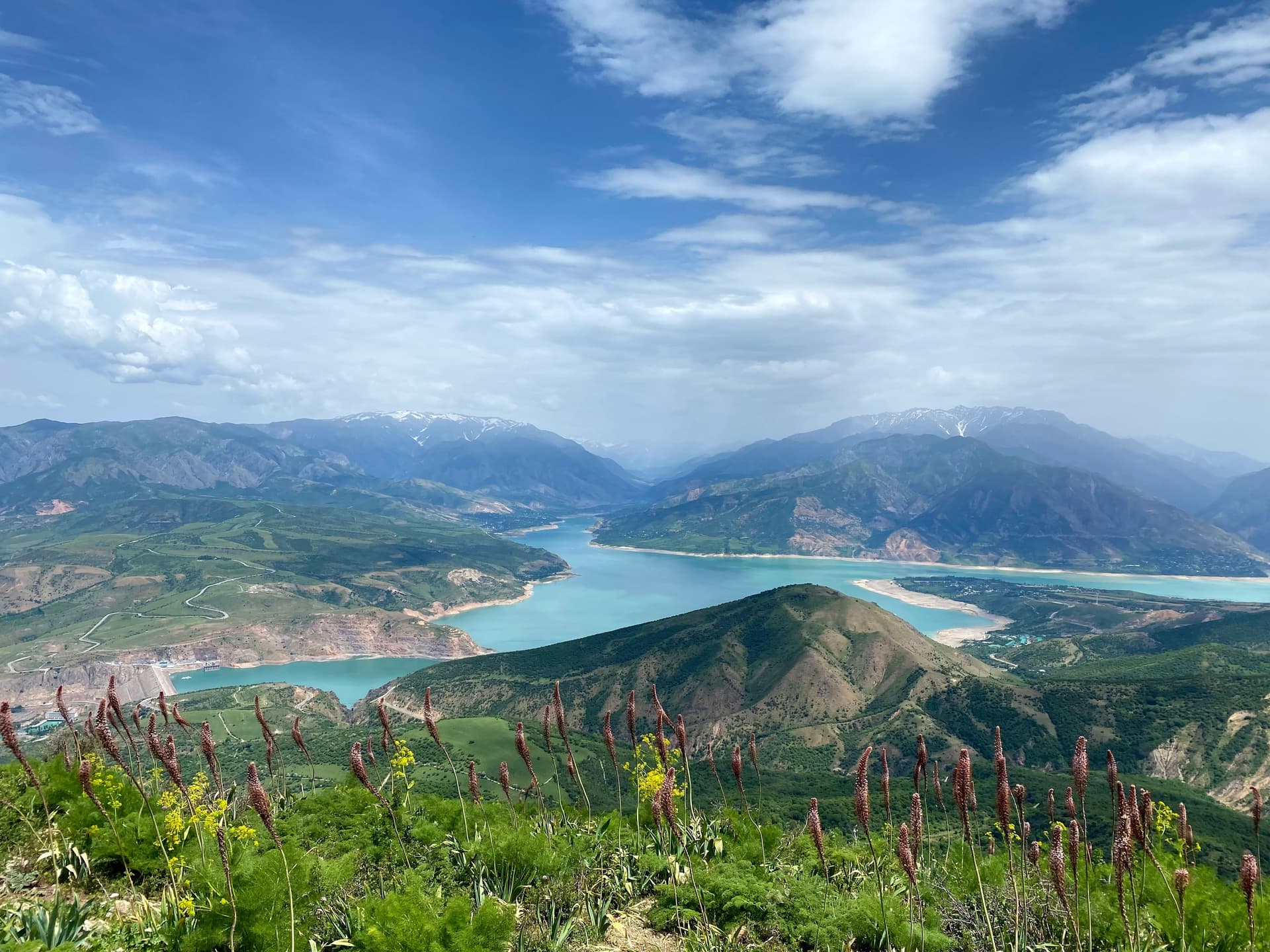
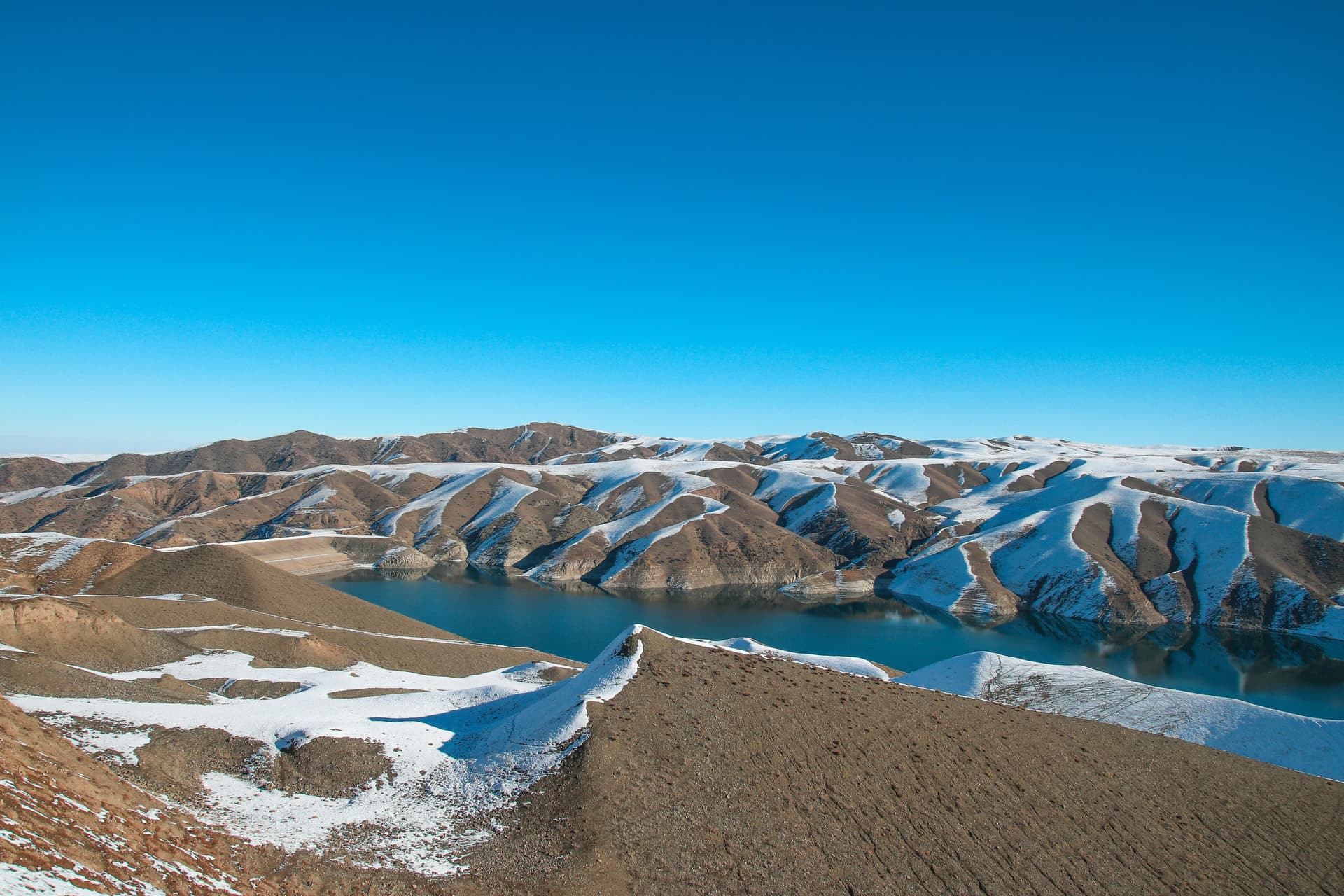
Beyond Tashkent, the Western Tian Shan mountains rise above a countryside of orchards, villages and open valleys. The road climbs towards Amirsoy, where mountain slopes offer a beautiful setting throughout the year, whether dressed in summer greenery or winter snow. Around Chimgan, higher peaks and winding roads reveal the scale of the surrounding landscape. Then the mountains part to reveal Charvak Reservoir, an immense stretch of turquoise water enclosed by hills and rocky ridges. Its colour is especially striking under a clear sky, and changing light brings out different shades along the shoreline.
Amirsoy's mountain setting invites a little exploration, and its cable car is worth considering when the lifts are operating. The mountain cafés are particularly appealing when the air turns cool, while viewpoints along the road to Charvak offer lovely perspectives of the reservoir and the slopes beyond. The drive back to Tashkent provides another look at the valleys, with the evening left for a relaxed dinner in the capital.
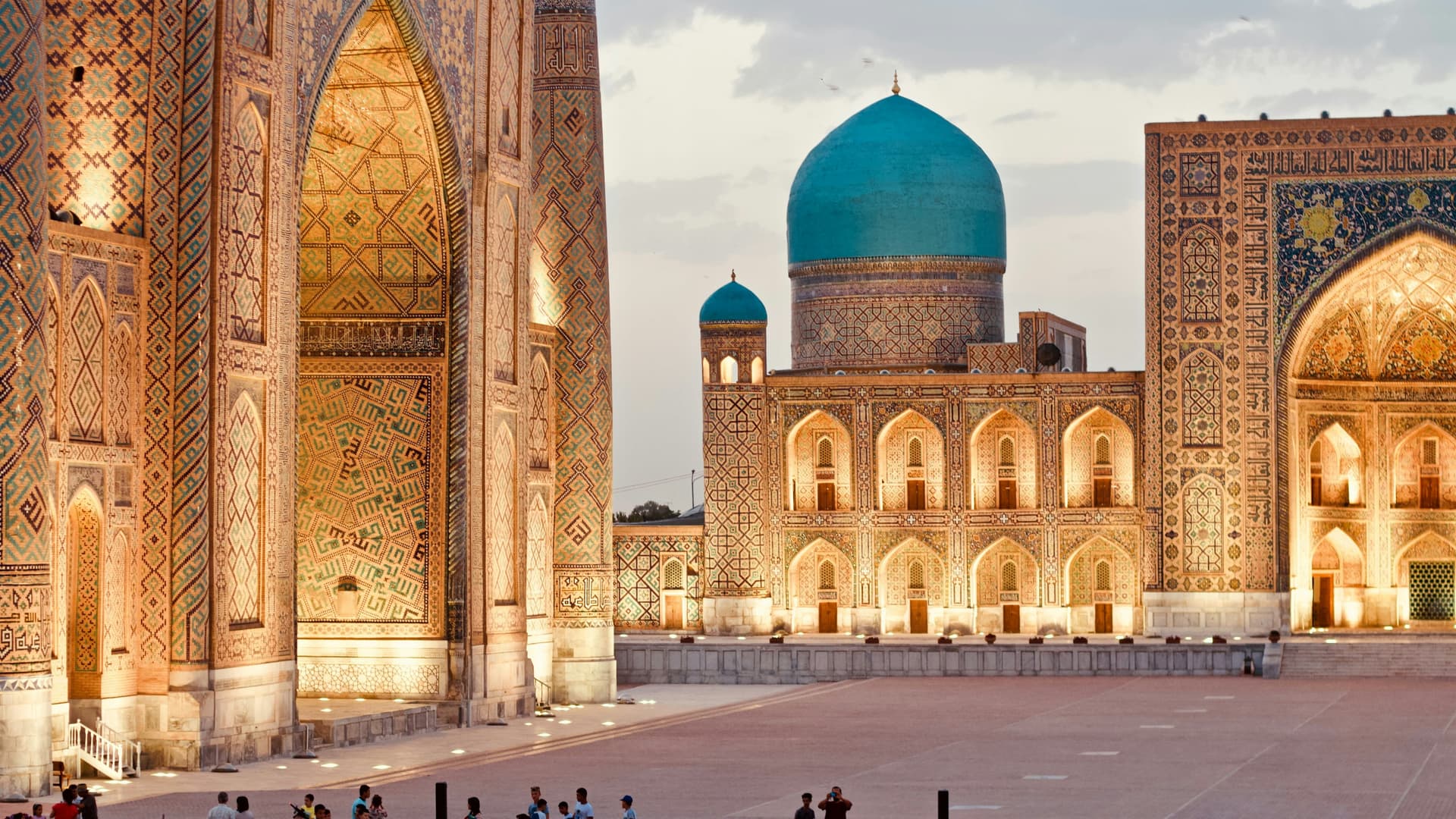
Check out of your hotel in Tashkent and take the train to Samarkand, where the architectural ambitions of Timur's dynasty still dominate the old city. His magnificent resting place, Gur-e-Amir Mausoleum, is crowned by a richly decorated ribbed dome. But the city's greatest spectacle is undoubtedly Registan Square, where three enormous madrasahs face one another across a grand open space. Their facades are covered with intricate mosaics, geometric patterns and calligraphy, each detail revealing the extraordinary skill of the craftsmen who worked here. The evening is a particularly atmospheric time to encounter these celebrated monuments.
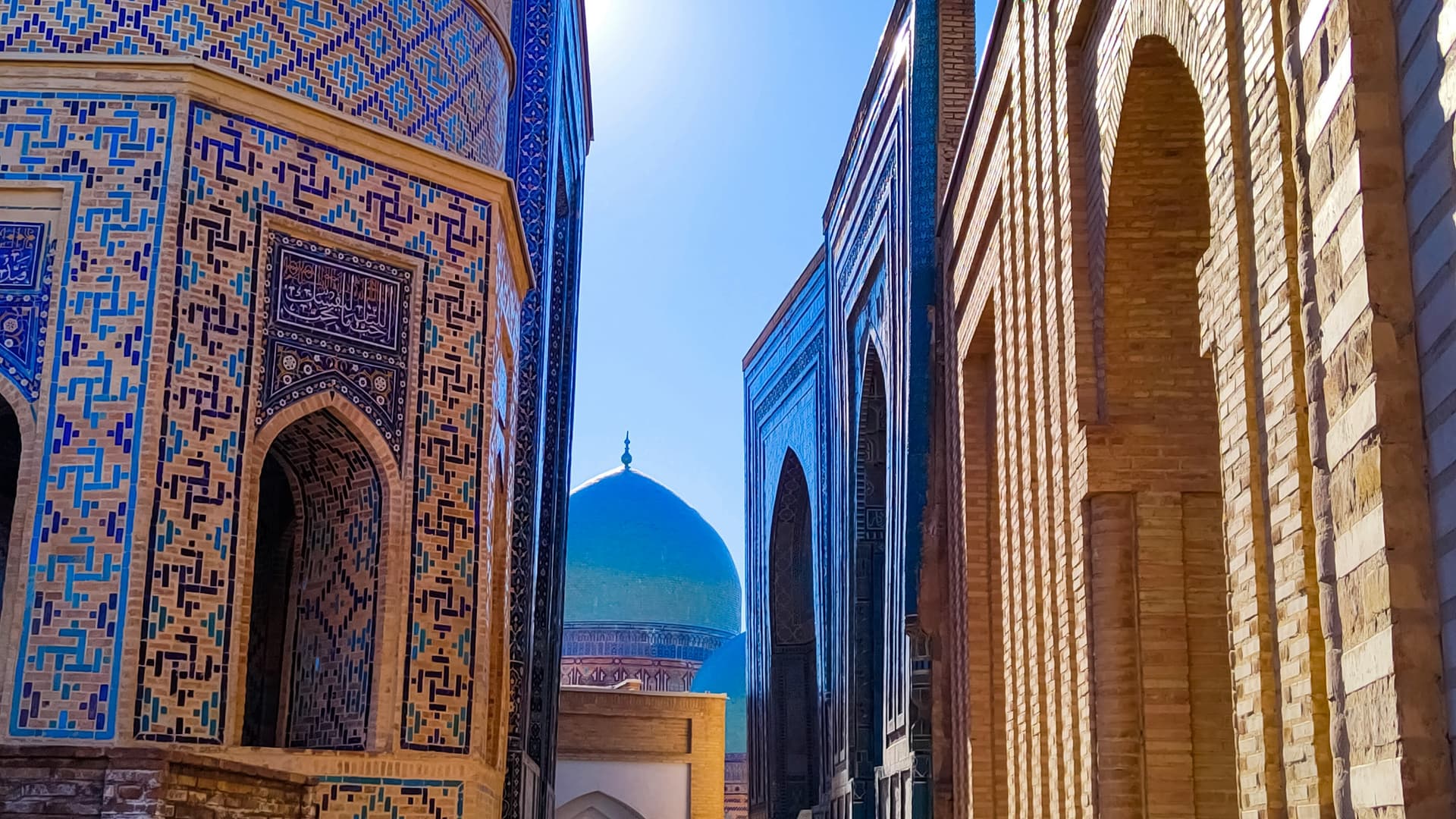
The imposing Bibi-Khanym Mosque, the historic Hazrat Khizr Mosque and Shah-i-Zinda add further chapters to Samarkand's architectural story. At Shah-i-Zinda, a succession of mausoleums displays some of Uzbekistan's finest tilework, with countless variations in colour and design. This artistry belongs to the Timurid world that later influenced Mughal architecture in India, giving the city's beauty a deeper historical connection. Afterwards, Samarkand's restaurants offer an opportunity to discover the local cuisine, including its distinctive regional style of plov.
An early departure from Samarkand takes you across the Tajik border and towards Panjakent, an ancient settlement associated with the region's Sogdian past. Beyond the town, the road winds into the Fann Mountains, following the Shing Valley through villages, narrow mountain passages and increasingly dramatic scenery. Here lie the Seven Lakes, known locally as Haftkul, a chain of waters whose colours vary remarkably from one lake to another. Nizhgon, Soya, Gushor and Marguzor are among the lakes along the route, each surrounded by a different arrangement of cliffs, slopes and mountain vegetation.
The road itself is part of the experience, with the lakes appearing around bends and between steep hillsides. You can pause beside the accessible waters, photograph the landscape, and walk a little where the terrain allows. The upper reaches of the valley feel particularly remote, with small settlements scattered among the mountains. Later, the route leads back through Panjakent and across the border to Samarkand, where a relaxed evening follows a day in Tajikistan's beautiful highlands.
Check out of your hotel in Samarkand and travel by train to Bukhara, where the old city has retained much of its medieval character. Here, the grand blue facades of Samarkand are replaced by warm brickwork, carved timber and a maze of narrow lanes. Bukhara was once a thriving centre of commerce and Islamic learning, attracting merchants, scholars and travellers from across Asia. Its historic buildings stand remarkably close together, with old neighbourhoods and traditional shops woven between them. The afternoon offers a chance to become acquainted with the city's distinctive character.
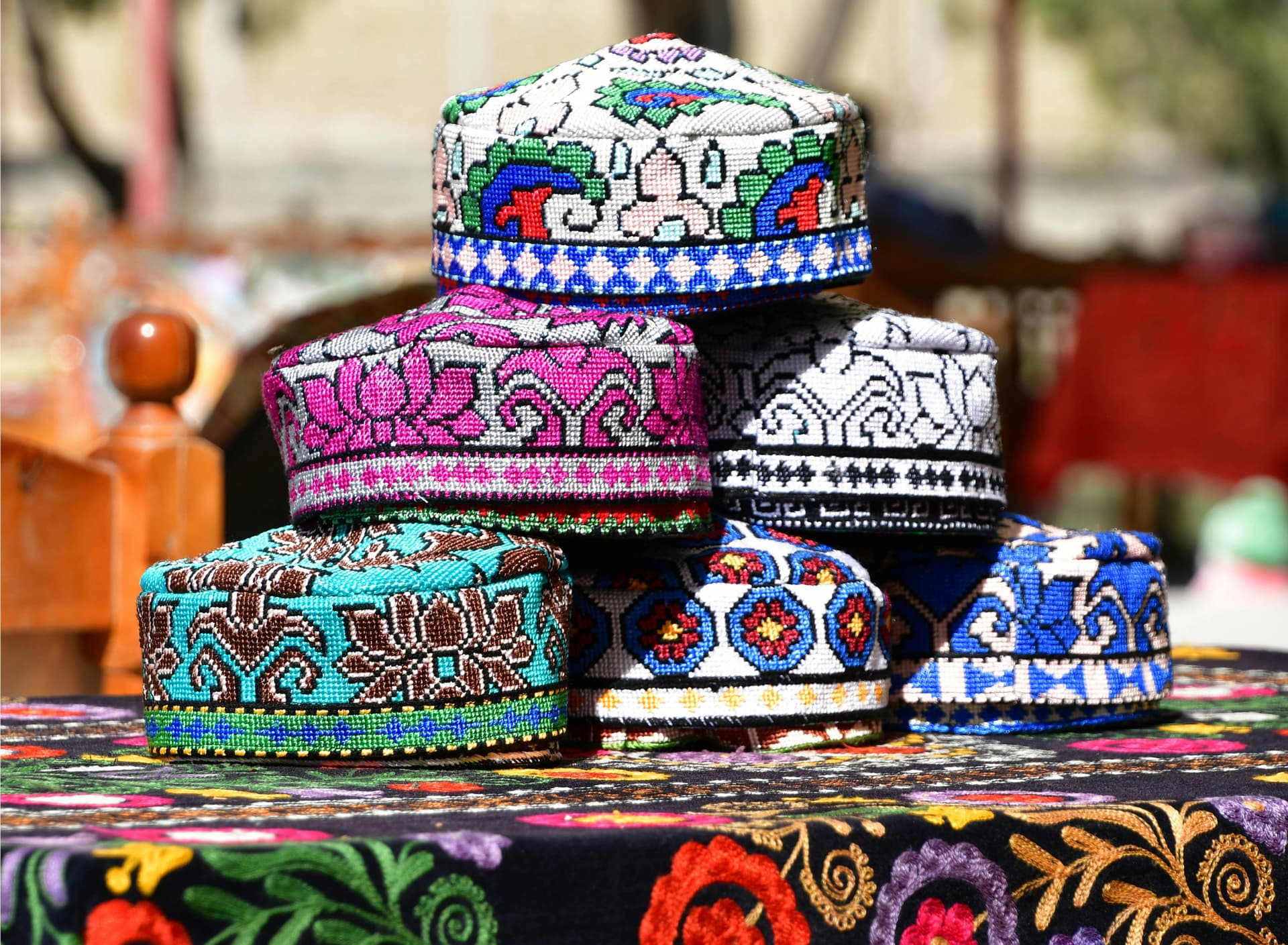
Around Lyabi-Hauz, centuries-old madrasahs overlook a pool shaded by mulberry trees. The neighbouring lanes are filled with small shops displaying embroidered suzani textiles, colourful ceramics and traditional handicrafts. As evening approaches, the old square fills with people gathering for tea and conversation. A nearby restaurant serving Uzbek specialities makes a lovely place for dinner, with Bukhara's historic surroundings providing the setting.
Bukhara's old trading streets once welcomed caravans carrying silk, spices and precious goods across Central Asia. Many historic marketplaces survive beneath the Trading Domes, where merchants still sell textiles, carpets, and local handicrafts. Nearby, the magnificent Kalyan Minaret rises above the Poi Kalyan Complex, with its grand mosque and the richly decorated Mir-i-Arab Madrasa. The Ulugbek and Abdulaziz-Khan Madrasahs reveal different periods of Bukhara's architectural history, while the imposing Ark Fortress recalls the emirs who once ruled the city. Across from the fortress, the Bolo Hauz Mosque is particularly admired for its elegant wooden columns.
Bukhara also preserves reminders of the diverse communities that lived and traded here. The ancient Maghaki-Attari Mosque occupies a site with a long religious history, while the Bukhara Synagogue reflects the city's Jewish heritage. Near Lyabi-Hauz, the cheerful Khoja Nasruddin Monument celebrates a beloved figure of Central Asian folklore. Later, return to the old bazaars to browse traditional crafts, perhaps stopping to watch artisans at work before enjoying an evening around the historic centre.
The streets of Bukhara are worth revisiting before leaving. With the grand monuments already explored, smaller details begin to catch the eye: patterned brickwork above a doorway, painted ceramics displayed outside a workshop or colourful embroidery hanging in a merchant's shop. After breakfast, check out of your hotel and enjoy the remaining hours in the city. You might return to the old trading domes for a favourite souvenir, spend some time around Lyabi-Hauz or settle into a traditional restaurant for a leisurely lunch.
In the late afternoon, board the train to Tashkent. The railway crosses Uzbekistan's wide plains, passing villages and open countryside as daylight fades. From the carriage window, the scenery provides a different perspective of the country, far from the elaborate monuments of Samarkand and Bukhara. Tashkent welcomes you back late in the evening, bringing the journey full circle.
Uzbekistan makes its most magnificent sights feel almost personal. Samarkand's blue mosaics and Bukhara's ancient trading streets belong to a history stretching back centuries, yet the customs surrounding them are very much alive. Tea is still poured for guests, bread is still baked in tandoors, and the old bazaars remain places of lively conversation and commerce. Shared traditions and historical connections with India lend these encounters a warmth that monuments alone can't explain.
Back home, the colours of Samarkand and the mountain lakes of Tajikistan will be easy to recognise in photographs. Other memories may return over a cup of chai or the familiar aroma of something baking in a tandoor. With Duniya Safari, the journey through Uzbekistan becomes another chapter in an acquaintance that began long before modern borders. Perhaps the most fitting farewell is the simplest: until next time, dost.
Hotels
Our recommended hotels. Upgrade, swap, or customize any stay


Tashkent3 nights
Hampton by Hilton Tashkent
3-star hotel


Samarkand2 nights
Movenpick Hotel Samarkand
4-star hotel

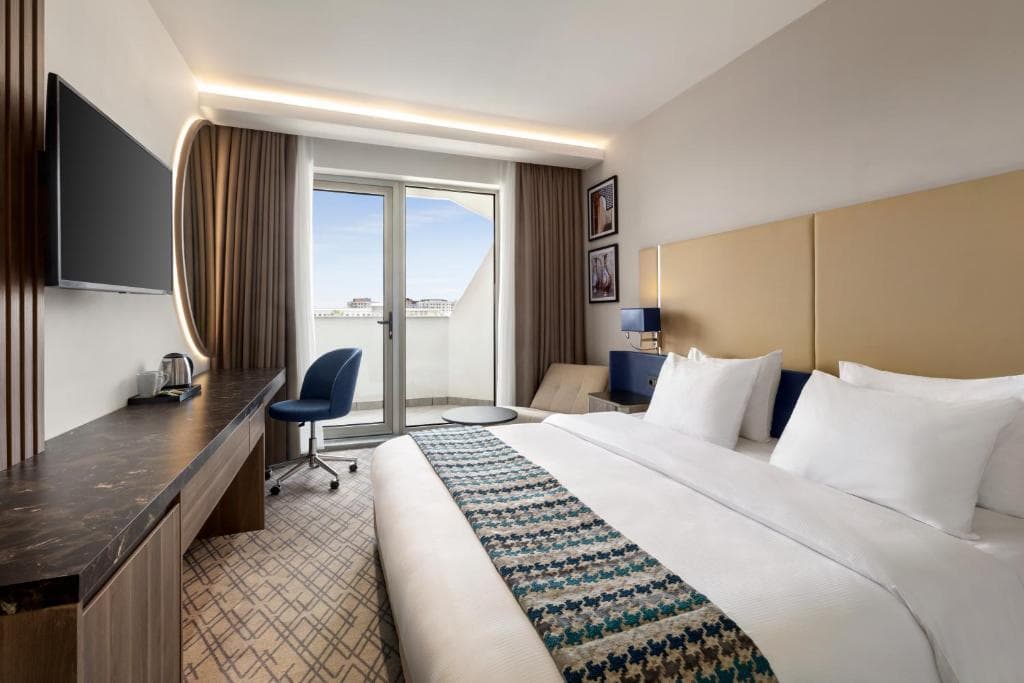
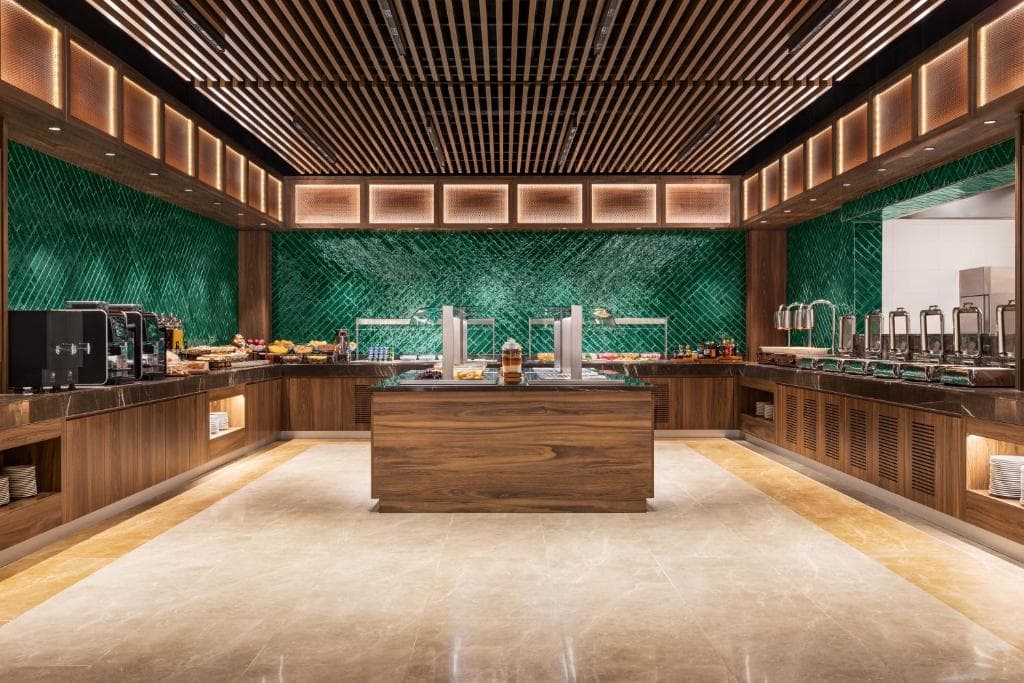
Bukhara2 nights
Wyndham Bukhara
4-star hotel
Tashkent1 night
Hampton by Hilton Tashkent
3-star hotel
How It Works
From first spark to a trip you'll never forget — four simple steps.
01
Wanderlust Selection
Embark on your journey by discovering exciting tour packages on our website. Pick the package that sparks your wanderlust and fill the 'Enquire Now' form.
02
Personalized Planning
Get paired with a dedicated destination expert for personalized trip planning. Stay connected through WhatsApp to discuss your plans, preferences and travel dates.
03
Tailor-Made Experience
Our destination expert will curate packages exclusively tailored to your desires. Customize every aspect, from travel dates to activities, to create your perfect getaway.
04
Confirm and Unwind
Secure your booking by paying a token amount and let us handle the rest. Enjoy a seamless and memorable trip with continuous after-sales support.
THE NEED-TO-KNOW
Frequently Asked Questions
Everything you need to know about this package
Yes. Duniya Safari can tailor the itinerary to your preferred travel dates, interests, pace, hotel choices and duration. Whether you wish to spend more time in Samarkand and Bukhara, explore additional Silk Road cities or extend your stay in the mountains, the arrangements can be customized subject to availability and revised pricing.
Reviews from Real Travellers
Verified feedback from our clients. All reviews below are sourced directly from Google. 4.8
M
Mithun Pandey
3 months ago
Our Greece vacation with Duniya Safari was absolutely remarkable! From the start, they were incredibly fast with travel recommendations and prompt in responding. A special shoutout to the visa team; their document clarity made the process seamless. We faced a major challenge when our initial Gulf Air tickets became dicey due to the geopolitical situation, but the team provided exceptional guidance and smoothly helped us rebook an alternative flight. The final itinerary was beautifully thought out, offering excellent coverage without feeling rushed. When minor hiccups arose during the trip, their support team was instantly available to help. We highly appreciate their dedication and look forward to our next travel adventure with them
M
Mousumi Ghosh
2 months ago
A heartfelt thank you to our travel agent for making our recent family trip to Switzerland such a smooth and memorable experience. From planning the itinerary to managing bookings and guiding us throughout, everything was handled with great care and professionalism. Traveling with family can be challenging, but thanks to their excellent coordination, we could simply relax and enjoy the breathtaking beauty of Switzerland — from the scenic train rides to the charming villages and stunning mountain views. Every detail was thoughtfully arranged, making our journey comfortable, hassle-free, and truly special. We’re grateful for the wonderful service, quick support, and genuine effort in making this trip one to remember forever. Highly recommended for anyone planning their dream vacation!
B
Europebarnali chakraborty
a year ago
They have planned 2 Europe trips for us in last 5 years. The trips were so hassle free and absolutely well planned. Every small details were kept in mind. They were available on call and messages as much as possible. Best way to explore Europe. Whenever we are planning next international trip we will let them plan for us . Thank you so much to the entire team of Dunia Safari. ❤️❤️❤️
A
aritra sen
Edited a year ago
We really appreciate Duniyasafari's travel services. It was our second time booking an international vacation with them, and once again they did an outstanding job. The entire team cooperated with us at every stage. From customizing our Turkey itinerary and visa assistance to arranging the drivers/guides in istanbul and cappadocia, everything was on point. They were always available via whatsapp to help and cooperate, which made our vacation in a new country smooth.
S
Sohom Roy
a year ago
Just returned from an unforgettable Dubai tour organized by Duniya Safari. The entire experience was seamless and well-planned. From the incredible sightseeing arrangements to the comfortable accommodations, every detail was meticulously handled. Their team was professional, friendly, and always ready to assist. A big thank you for making this trip so memorable! Highly recommend Duniya Safari for your travel plans!
V
SingaporeVrundan Thacker
6 months ago
Amazing planning by them from start to finish, we went to Singapore recently and we were a bit tensed as it was our first international trip, but Duniya safari made our experience smooth and memorable... They covered all the must visit places in itinerary and also helped us in visa process, I recommend them for stress free travel to domestic and international destinations...
M
Masood Khan
6 months ago
This is our second trip with Duniya safari. Our 5-day Malaysia trip with my family was absolutely seamless from start to finish. Every member of the team was actively involved and genuinely committed to making sure our travel experience was smooth, comfortable, and memorable. From planning a well-structured itinerary to patiently guiding us, everything was handled with great professionalism and care. What really stood out was how efficiently the team managed last-minute changes without any stress on our end—it truly felt like they had our backs at every step. Their coordination, responsiveness, and attention to detail made the entire journey enjoyable and worry-free for our family. A big thank you to the whole team for going above and beyond—we couldn’t have asked for a better travel experience. Highly recommended!
S
Susmita Mondal
3 years ago
If I go to Maldives, I will stay in a water villa. That was the wish. I would not go if I can't stay at least one night at the water villa. But when the price of the water villa was going beyond the affordability while doing the booking ourselves, several people suggested to book through the travel agency. Then I found Duniya Safari (DNS) Travel Agency from a Facebook friend. Recently, I visited Oblu Experience Ailafusi in Maldives through them. It was 3 Days Water Villa, All Inclusive Package. Our experience was so good. We enjoyed a lot. We have got full support from DNS team.
N
EuropeNikhil Lohiya
2 months ago
Excellent travel agency. I booked a European trip with them, which was well-coordinated and flawlessly planned. I was guided well throughout the process starting from finalizing the itinerary, flight suggestions, hotel recommendations and so on. The visa process guidance was remarkable. The agency guided me very well and I got my visa approved in just 2 days. During the entire vacation, the team was well connected and helped with every doubts and queries. Though they designed the process so excellently that there was hardly any point of doubt or hinderance during the trip. I would recommend this agency to everyone who really want a memorable and hassle free vacation.
K
Kiran B K
3 years ago
Onidrila and the entire team were very helpful and just a whatsapp message away every time we needed help! Thanks for all your efforts, not to mention all the effort taken to curate and share the best honeymoon packages. This trip to Maldives was nothing short of a fairy tale thanks to you!😊